

Prof. Dr. Svetlana Mojsov
Institutions/Affiliations (Award Year):
- Lulu Chow Wang and Robin Chemers Neustein Research Professor at The Rockefeller University
Scientific Award Field:
- The discovery and development of GLP-1-based multi-receptor therapeutics for the treatment of obesity and diabetes
Impact:
- The discovery of the biologically active form of GLP-1 and its role in insulin secretion
Prof. Dr. Svetlana Mojsov
Prof. Dr. Svetlana Mojsov is internationally recognized as one of the pioneers of metabolic medicine. Her groundbreaking discoveries of the biologically active form of GLP-1 and its role in stimulating insulin secretion laid the scientific foundation for a new generation of therapies for diabetes and obesity. Driven by a passion for understanding hormone biology, she transformed fundamental research into one of the most significant medical breakthroughs of our time.
Today, her discoveries continue to improve the lives of millions of people worldwide through GLP-1–based medicines and their expanding applications in metabolic disease.
In recognition of her transformative contributions to medical innovation, she was honored as a Laureate of the Broermann Medical Innovation Award 2026.
Scientific Contribution: The GLP-1 Revolution
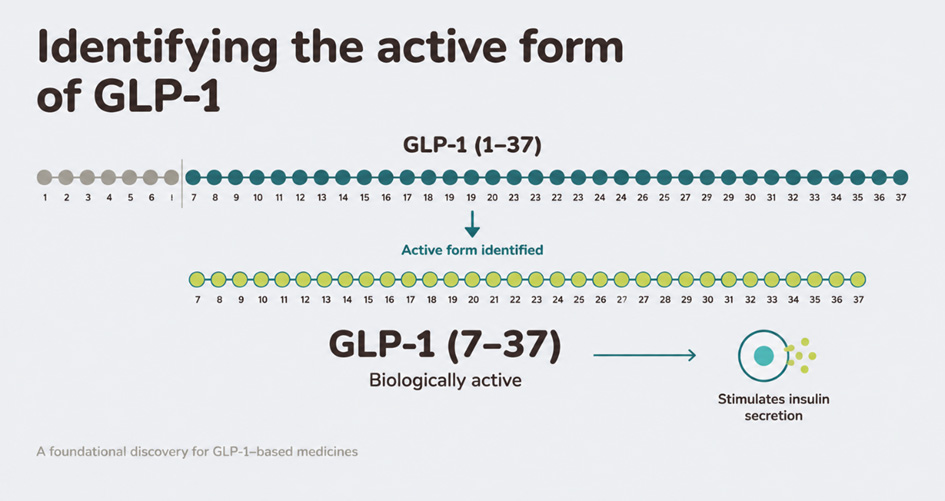
Mojsov’s research helped establish the molecular basis of GLP-1’s role in regulating insulin secretion. Using chemical peptide synthesis and analytical methods, she identified its biologically active form, GLP-1(7–37), and demonstrated its presence in the intestine. Working with collaborators, she also showed that this form stimulates insulin release from the pancreas.
Milestones
Key Publications
Selected Honors & Recognition

Broermann Medical Innovation Award (2026)
Recognized with the BMIA 2026 for her pioneering work in treating obesity & diabetes, helping millions of people to achieve a healthy weight.

King Faisal Prize in Medicine (2026)
Honored for her groundbreaking contributions to metabolic medicine that revolutionized the treatment of diabetes and obesity through GLP-1–based therapies.
Breakthrough Prize in Life Sciences (2025)
Awarded for her discoveries that reshaped metabolic medicine and led to transformative therapies with global impact.

Princess of Asturias Prize (2025)
Honored for identifying the active sequence of GLP-1, a breakthrough that enabled the development of life-changing treatments for metabolic diseases.

Lasker Award (2024)
Awarded for her discoveries that fundamentally advanced the understanding of GLP-1 biology and paved the way for a new generation of therapies for diabetes and obesity.
Pearl Mesiter Greencard Prize (2024)
Recognized with one of the most important awards not just for biomedical research but for women in science as well.
For media inquiries, official press releases, and high-resolution image downloads, please visit our press room
